The Ultimate Guide to Living Room Lighting: Layering for Style and Function
Table of Contents
- The Ultimate Guide to Living Room Lighting: Layering for Style and Function
- Understanding the Three Layers in The Ultimate Guide to Living Room Lighting: Layering for Style and Function
- Designing the Ambient Base
- Strategic Task Lighting for Everyday Activities
- Accent Lighting: Adding Depth and Drama
- Integrating Lighting with Layout and Color Schemes
- Choosing the Right Bulbs and Controls
- Balancing Style and Functionality
- Practical Tips for Implementation
- Start with a Lighting Plan
- Layer Gradually
- Use Dimmer Switches Everywhere Possible
- Consider Scale and Proportion
- Test Before Final Installation
Lighting is often the silent hero of interior design, shaping mood, emphasizing architecture, and guiding the flow of daily life. In the living room—perhaps the most frequented space in a home—the balance between illumination and aesthetics becomes especially crucial. When approached thoughtfully, lighting does more than simply brighten a room; it creates depth, highlights textures, and can even influence how furniture is perceived.
Yet many homeowners find themselves overwhelmed by the sheer number of fixtures, bulb types, and design philosophies available today. Should you opt for a sleek pendant, a warm floor lamp, or hidden LED strips? How can you ensure the lighting scheme works for reading, entertaining, and relaxing without looking disjointed? This article unpacks those questions, offering a comprehensive roadmap that blends theory with actionable steps.
Below, we will explore a systematic, layered approach that allows you to craft a living room lighting plan that is both stylish and functional. Whether you’re redesigning a compact apartment space or a spacious family lounge, the principles outlined here can be adapted to fit any layout or décor.
The Ultimate Guide to Living Room Lighting: Layering for Style and Function
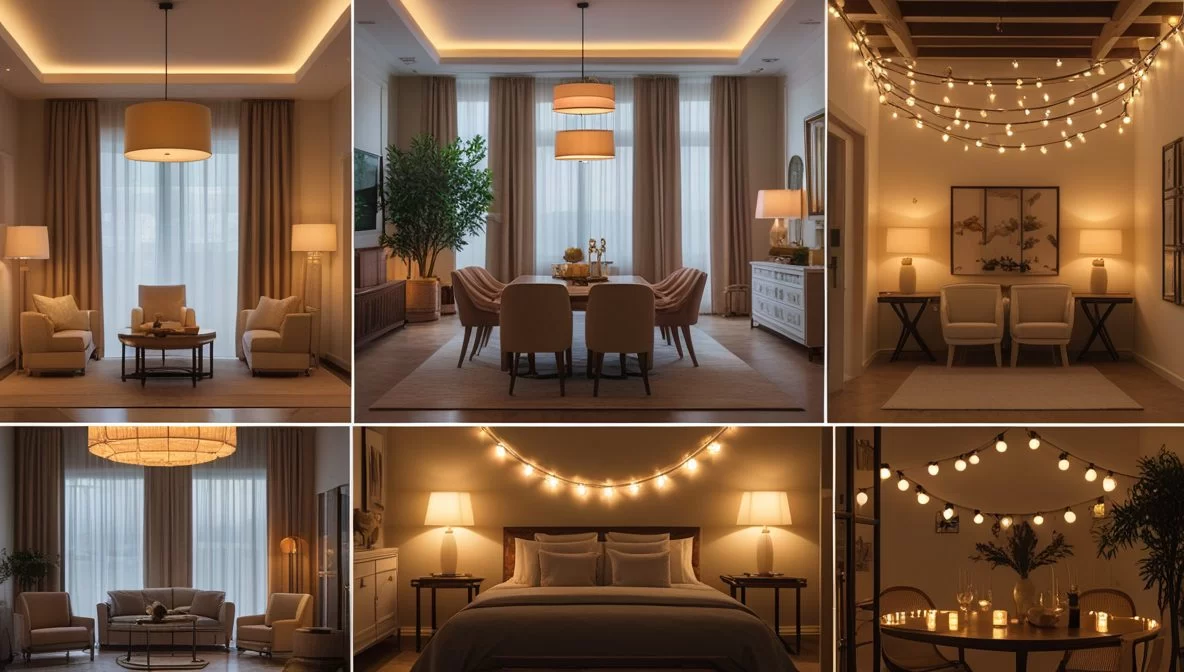
A Guide to Layering Lighting in Every Room – Cosy Hous
Layered lighting is the cornerstone of a well‑lit living room. Rather than relying on a single source, you combine three primary types of light—ambient, task, and accent—to achieve a balanced, flexible environment. Each layer serves a distinct purpose, and together they form a cohesive visual hierarchy.
Understanding the Three Layers in The Ultimate Guide to Living Room Lighting: Layering for Style and Function
- Ambient lighting provides overall illumination, ensuring the room is comfortably lit for general activities. This is typically achieved with ceiling-mounted fixtures, chandeliers, or recessed lights.
- Task lighting focuses on specific activities such as reading, gaming, or crafting. Table lamps, floor lamps, and adjustable wall sconces are common solutions.
- Accent lighting adds drama by highlighting architectural features, artwork, or decorative objects. Spotlights, track lighting, and LED strip lighting fall into this category.
By thoughtfully integrating these layers, you gain control over brightness levels, reduce eye strain, and create a dynamic atmosphere that can be easily altered to suit the time of day or the occasion.
Designing the Ambient Base

Ambient Base – YouTube
The foundation of any lighting plan begins with ambient illumination. For many living rooms, a central fixture such as a chandelier or a series of recessed lights offers an even spread of light that fills the space without casting harsh shadows.
When selecting an ambient fixture, consider the room’s scale and ceiling height. A towering pendant works beautifully in rooms with high ceilings, while a series of flush‑mount fixtures may be more appropriate for lower ceilings. Pay attention to the color temperature of the bulbs; a warm 2700‑3000 K hue tends to create a cozy, inviting feel, whereas a cooler 3500‑4000 K tone can make the space feel more contemporary and energetic.
In addition, think about dimmable solutions. Installing dimmer switches allows you to adjust brightness to match activities—soft lighting for movie night, brighter settings for gatherings, or a midway level for everyday use.
Strategic Task Lighting for Everyday Activities
Task lighting addresses the practical needs of your living room. It ensures that reading a book, working on a laptop, or sorting mail can be done comfortably without straining the eyes. Unlike ambient lighting, task lights are often positioned closer to the user and may be portable or adjustable.
Popular task lighting choices include:
- Floor lamps positioned beside a comfortable sofa for reading.
- Table lamps placed on side tables or console units for localized illumination.
- Adjustable wall sconces that can be angled toward a favorite chair or a work area.
When arranging task lighting, think about the placement of your furniture. For instance, a perfect sofa often becomes the focal point of the room; pairing it with a well‑placed floor lamp not only enhances functionality but also adds a design element that complements the sofa’s style and color.
Accent Lighting: Adding Depth and Drama
Accent lighting is where creativity truly shines. This layer is all about highlighting the elements that make your living room uniquely yours—artwork, architectural details, or decorative accessories. By directing light onto specific points of interest, you add depth and visual intrigue.
Several accent lighting techniques can be employed:
- Spotlights: Ideal for showcasing paintings, sculptures, or a striking bookshelf.
- Track lighting: Provides flexibility, allowing you to adjust the direction of light as you change displays.
- LED strip lighting: Perfect for under‑cabinet illumination or to outline architectural features such as crown molding.
For a subtle yet sophisticated effect, consider using warm LEDs behind floating shelves or within recessed coves. This creates a soft glow that enhances textures without overwhelming the eye.
Integrating Lighting with Layout and Color Schemes
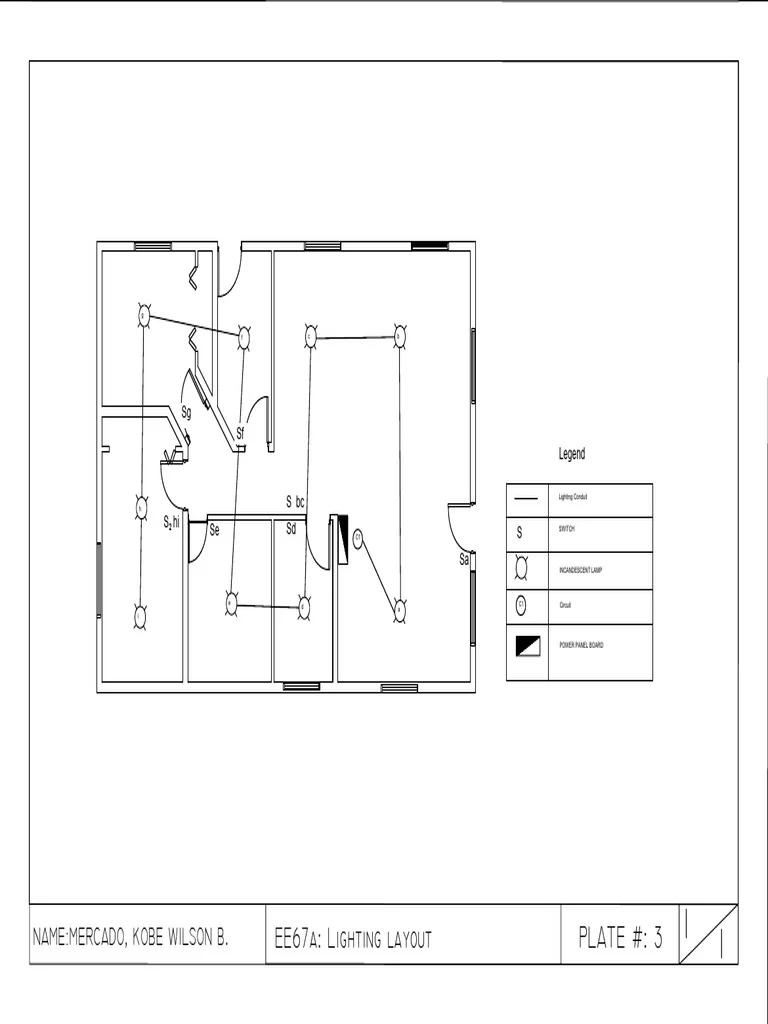
Lighting Layout | PDF
The placement of lighting fixtures should be harmonious with the overall layout of the living room. A well‑thought-out floor plan not only improves traffic flow but also determines optimal lighting positions. Refer to our Living Room Layout Guide to understand how furniture arrangement can influence lighting decisions.
Color palette also plays a pivotal role. Light-colored walls reflect more light, allowing fixtures to appear brighter, while darker hues absorb illumination, requiring more robust or strategically placed light sources. When working with earth tones and natural textures, as explored in Earth Tones and Textures, warm lighting complements the organic feel, enhancing the cozy ambiance.
Choosing the Right Bulbs and Controls
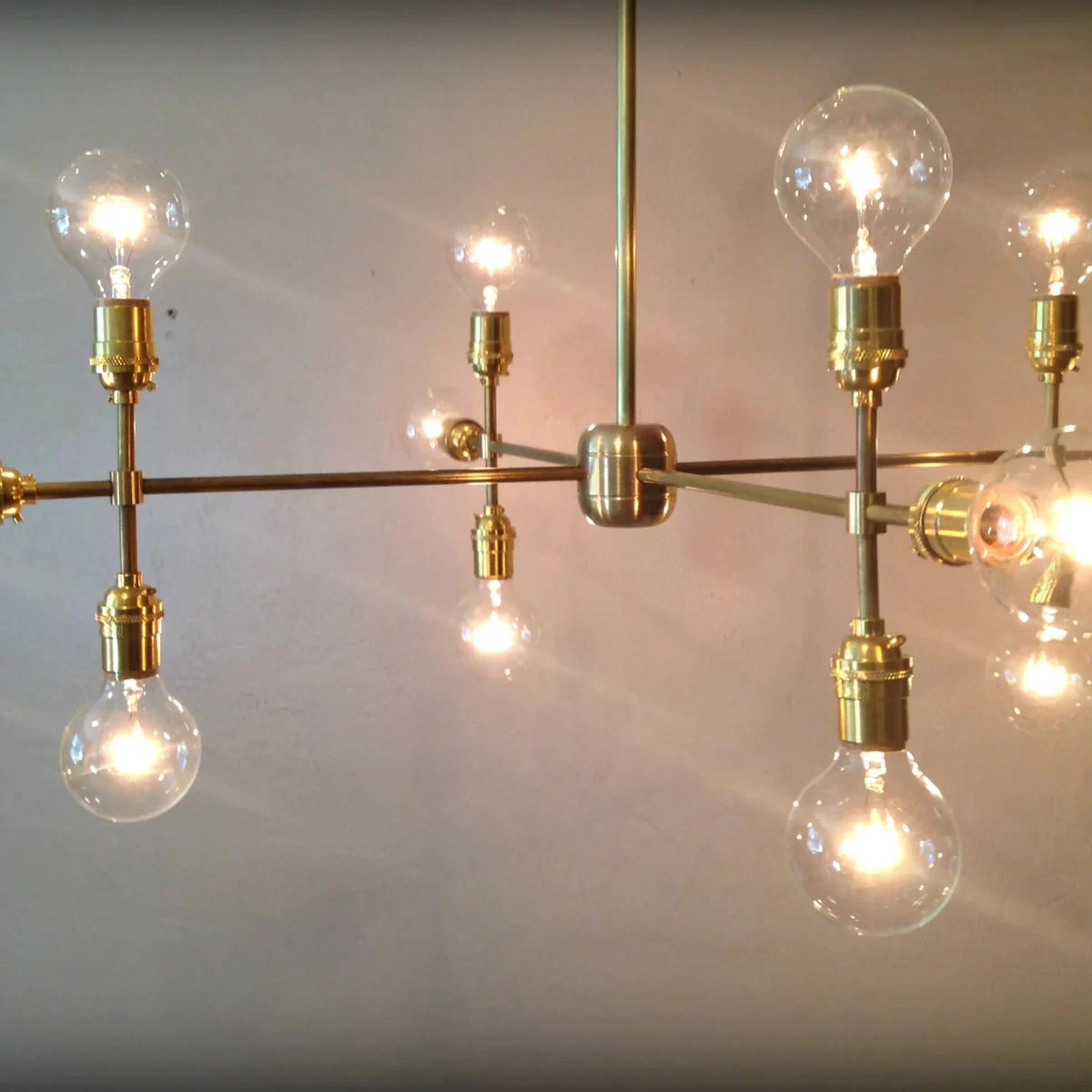
Choosing the Best Light Bulbs – Nostalgicbulbs.com
Beyond fixtures, the choice of bulbs dramatically influences both style and function. LED technology now offers a wide range of options that combine energy efficiency with customizable color temperatures and dimming capabilities. When selecting bulbs, keep the following in mind:
- Color Rendering Index (CRI): A CRI of 80 or higher ensures colors appear true to life, crucial for spaces where artwork or textiles are featured.
- Lumens: Measure of brightness; ambient lighting typically requires 1,500‑3,000 lumens for a standard living room.
- Dimmability: Compatible dimmers give you granular control over light intensity.
Smart lighting systems further enhance flexibility. With wireless controls, you can program scenes for different moods—bright and energizing for daytime, soft and warm for evening relaxation. Integration with voice assistants adds an extra layer of convenience, especially in homes where multiple users have varying lighting preferences.
Balancing Style and Functionality
While functionality is paramount, lighting also serves as a design statement. The style of fixtures should echo the overall décor—whether that’s modern minimalism, classic elegance, or eclectic maximalism. For a minimalist living room, sleek recessed fixtures paired with a single sculptural pendant can provide both illumination and visual interest without clutter.
Conversely, in a maximalist setting, a combination of ornate chandeliers, patterned lampshades, and bold floor lamps can add layers of texture and personality. The key is to ensure that each piece contributes to the lighting hierarchy while reinforcing the room’s aesthetic narrative.
Practical Tips for Implementation

The Fading Art of Implementation
Start with a Lighting Plan
Sketch a simple floor plan and mark where each lighting layer will be placed. Identify focal points such as a fireplace, artwork, or a reading nook, then allocate ambient, task, and accent fixtures accordingly.
Layer Gradually
Begin with ambient lighting, then add task lighting where needed, and finally incorporate accent fixtures. This incremental approach prevents over‑lighting and helps you see how each layer interacts with the others.
Use Dimmer Switches Everywhere Possible
Dimmer switches are one of the most cost‑effective ways to increase flexibility. They allow you to lower light levels for movie nights or raise them for lively gatherings without changing fixtures.
Consider Scale and Proportion
Match the size of the fixture to the room’s dimensions. An oversized chandelier can dominate a small space, while a tiny pendant may look lost in a large living area.
Test Before Final Installation
If possible, temporarily set up lighting using plug‑in fixtures to evaluate the effect before committing to permanent installation. This trial run helps you fine‑tune positioning and brightness levels.
By following these steps, you can achieve a harmonious lighting scheme that not only meets practical needs but also elevates the visual appeal of your living room. Remember that lighting is a dynamic element; as seasons change and your lifestyle evolves, feel free to adjust fixtures, replace bulbs, or re‑configure layers to keep the space fresh and inviting.
Ultimately, mastering the art of layered lighting—embodied in The Ultimate Guide to Living Room Lighting: Layering for Style and Function—transforms a simple gathering area into a versatile sanctuary. Thoughtful illumination enhances comfort, showcases design, and supports everyday tasks, making the living room a truly functional and beautiful heart of the home.