Minimalist Living Room Design: 7 Tips for a Clutter-Free Sanctuary
Table of Contents
- Minimalist Living Room Design: 7 Tips for a Clutter‑Free Sanctuary
- 1. Define a Clear Spatial Layout
- 2. Opt for a Limited Color Palette
- 3. Embrace Multifunctional Furniture
- 4. Curate Thoughtful Decor
- 5. Integrate Smart Storage Solutions
- 6. Prioritize Natural Light and Airflow
- 7. Maintain Discipline Through Routine Decluttering
In an age where open‑plan spaces and digital overload dominate daily life, the appeal of a serene, uncluttered living area has never been stronger. A well‑executed Minimalist Living Room Design: 7 Tips for a Clutter‑Free Sanctuary does more than just look sleek; it creates a psychological refuge that promotes focus, relaxation, and a sense of spaciousness.
Achieving this level of calm does not require a complete overhaul of your home or an extravagant budget. By embracing intentional choices, thoughtful organization, and a disciplined aesthetic, any homeowner can transform a chaotic lounge into a minimalist haven. The following guide outlines seven actionable tips that balance functionality with refined simplicity, ensuring that each element in the room serves a purpose while contributing to an overall feeling of tranquility.
Minimalist Living Room Design: 7 Tips for a Clutter‑Free Sanctuary
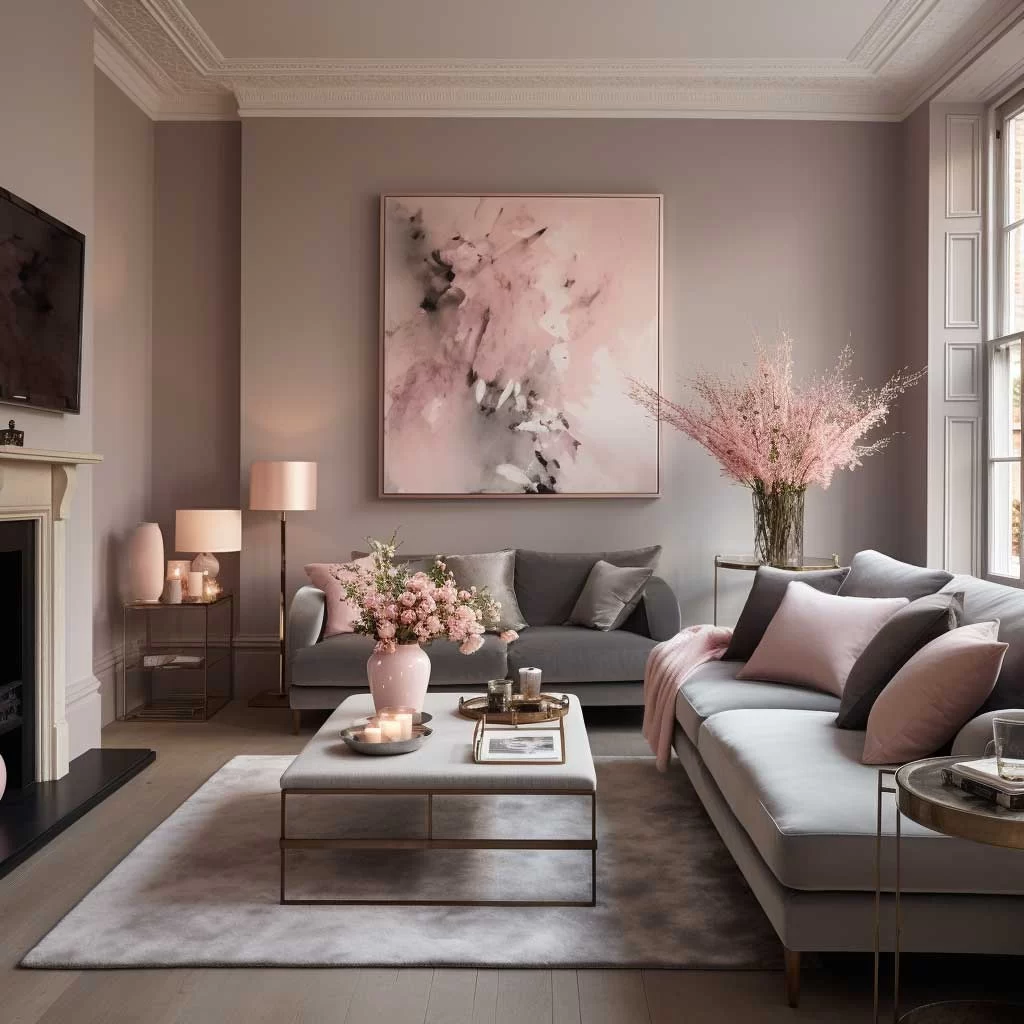
minimalist living room design ideas
1. Define a Clear Spatial Layout
Before selecting furniture or décor, start by mapping the room’s geometry. Measure walls, windows, and doorways, then sketch a floor plan that prioritizes open pathways. A clear layout eliminates unnecessary traffic flow, reduces visual clutter, and sets the foundation for a minimalist ambience. Consider the “golden triangle” rule: arrange seating so that focal points—such as a television or artwork—form an equidistant triangle with the main sofa, ensuring balanced sightlines.
- Use lightweight, low‑profile furniture to maintain sight lines.
- Position the sofa against a wall to free up floor space.
- Leave at least 30‑inches of clearance around high‑traffic zones.
2. Opt for a Limited Color Palette
A restrained color scheme amplifies the minimalist ethos. Neutral tones—soft whites, muted greys, and warm beiges—create a cohesive backdrop that allows furniture and accessories to breathe. Introduce subtle accents, such as a deep navy cushion or a brushed‑copper lamp, to add depth without overwhelming the senses.
- Choose one primary hue and two accent shades.
- Apply the 60‑30‑10 rule: 60% dominant color, 30% secondary, 10% accent.
- Prefer matte finishes over glossy surfaces to reduce glare.
3. Embrace Multifunctional Furniture
Every piece should serve more than one purpose. A sleek ottoman with hidden storage, a coffee table that doubles as a desk, or a sectional with built‑in shelving maximizes utility while minimizing the number of items in the room. Multifunctional furniture aligns perfectly with the Minimalist Living Room Design: 7 Tips for a Clutter‑Free Sanctuary philosophy, allowing you to retain essential functions without excess.
- Look for furniture with integrated drawers or compartments.
- Prioritize clean lines and simple silhouettes.
- Invest in pieces that can be re‑configured for different activities.
4. Curate Thoughtful Decor
When it comes to décor, less truly is more. Select a handful of objects that carry personal significance or aesthetic value. A single large‑scale artwork, a sculptural vase, or a well‑chosen plant can become a focal point, replacing the need for multiple small items that create visual noise.
- Stick to a maximum of three decorative objects per surface.
- Choose items with simple, geometric forms.
- Rotate décor seasonally to keep the space feeling fresh.
5. Integrate Smart Storage Solutions
Effective storage is the cornerstone of any minimalist environment. Built‑in wall cabinets, floating shelves, and concealed wiring channels keep everyday items out of sight while preserving the room’s clean lines. When storage is discreet, the space appears larger and more organized, reinforcing the core message of the Minimalist Living Room Design: 7 Tips for a Clutter‑Free Sanctuary approach.
- Utilize vertical space with floor‑to‑ceiling shelves.
- Incorporate furniture with hidden compartments.
- Label storage containers to streamline retrieval.
6. Prioritize Natural Light and Airflow
Light is an essential design element in minimalist interiors. Maximize natural illumination by using sheer window treatments, keeping window sills clear, and positioning mirrors opposite light sources to reflect brightness throughout the room. Proper airflow—through open windows or discreet ceiling fans—enhances the feeling of openness, making the sanctuary feel both airy and inviting.
- Choose light‑filtering curtains rather than heavy drapes.
- Install a simple, low‑profile ceiling fan.
- Keep floor surfaces reflective, such as light‑colored hardwood.
7. Maintain Discipline Through Routine Decluttering
The final tip underscores the importance of ongoing maintenance. A minimalist living room thrives on consistency; regular audits of belongings prevent accumulation and keep the sanctuary pristine. Set aside a weekly 15‑minute “tidy‑up” window to return items to their designated homes, and adopt a “one‑in, one‑out” rule for new acquisitions.
- Schedule a quarterly closet and storage review.
- Donate or recycle items that no longer serve a purpose.
- Use minimalistic storage bins that blend with the décor.
While the journey toward a minimalist living room can feel daunting, each of these seven tips builds upon the previous one, creating a cohesive strategy that is both manageable and rewarding. By defining a clear layout, limiting the color palette, selecting multifunctional furniture, curating intentional décor, implementing smart storage, embracing natural light, and committing to regular decluttering, you will steadily sculpt a sanctuary that embodies calm, order, and understated elegance.
For those who occasionally crave a burst of personality, consider exploring contrasting styles in a controlled manner. A well‑balanced contrast—such as integrating a statement piece from a bold living room decor ideas guide—can add intrigue without compromising the overall minimalist integrity.
Ultimately, the success of a Minimalist Living Room Design: 7 Tips for a Clutter‑Free Sanctuary lies in the harmony between form and function. When each element is deliberately chosen and thoughtfully placed, the living room transcends a mere gathering space; it becomes a reflective haven that nurtures the mind and body. Embrace these principles, and watch your home transform into the tranquil refuge you have always envisioned.