How to Increase Your Home Value Before Selling Without Breaking the Bank
Table of Contents
- How to Increase Your Home Value Before Selling Without Breaking the Bank: A Comprehensive Roadmap
- How to Increase Your Home Value Before Selling Without Breaking the Bank: Curb Appeal on a Shoestring
- Strategic Interior Refreshes that Pay Off
- How to Increase Your Home Value Before Selling Without Breaking the Bank: Paint and Light
- Energy Efficiency: A Selling Point That Saves Money
- Smart Staging and Decluttering
- Cost‑Effective Upgrades with High ROI
- Financing Small‑Scale Renovations
When the moment arrives to list your house, the goal is simple: secure the highest possible sale price while minimizing out‑of‑pocket expenses. Many homeowners assume that a substantial increase in value requires a hefty investment, yet a strategic, low‑cost approach can deliver impressive returns. By focusing on high‑impact, inexpensive upgrades, you can enhance both aesthetic appeal and functional performance, making your property stand out in a competitive market.
Understanding which improvements resonate most with buyers—and which ones merely drain your wallet—is essential. The following guide outlines a series of practical steps that answer the question, How to Increase Your Home Value Before Selling Without Breaking the Bank. Each recommendation is chosen for its affordability, ease of execution, and proven ability to boost appraisal values and buyer enthusiasm.
How to Increase Your Home Value Before Selling Without Breaking the Bank: A Comprehensive Roadmap
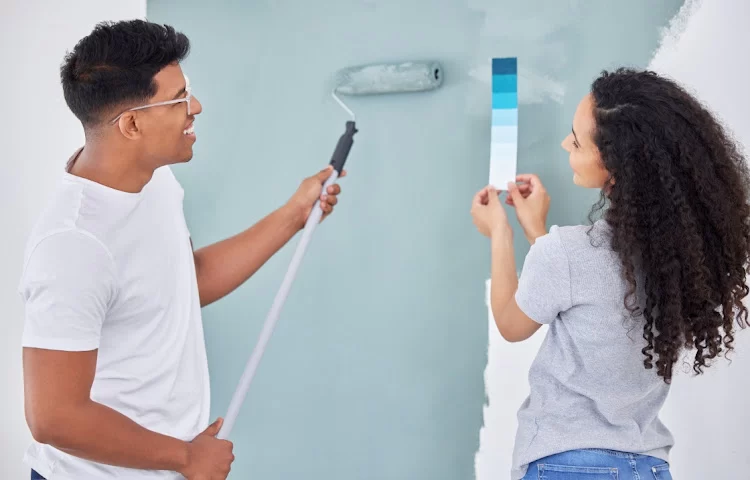
How to increase your home value without breaking the bank – Mamelodi TV
Before diving into specific projects, take a moment to assess your home’s current condition. Conduct a walk‑through with a critical eye, noting any visible wear, outdated fixtures, or areas that feel dated. Prioritize items that affect curb appeal first, because the exterior is the first impression a potential buyer forms.
How to Increase Your Home Value Before Selling Without Breaking the Bank: Curb Appeal on a Shoestring
The exterior sets the stage for the entire viewing experience. Simple landscaping tricks—such as trimming overgrown bushes, adding fresh mulch, and planting low‑maintenance perennials—can transform a neglected yard into a welcoming entrance. Repainting the front door a bold, neutral color costs under $50 and instantly adds character.
- Power wash siding and walkways: A thorough cleaning removes grime and reveals the true color of your home’s exterior, often making it look freshly painted.
- Upgrade house numbers and mailbox: Modern, stylish hardware costs little but signals that the home has been cared for.
- Install LED pathway lighting: Energy‑efficient lights improve safety and highlight architectural features after dark.
These curb‑appeal enhancements are quick, low‑cost, and have a high visual payoff, directly supporting your overall strategy for how to increase your home value before selling without breaking the bank.
Strategic Interior Refreshes that Pay Off
The interior should echo the freshness of the exterior. Rather than undertaking a full remodel, concentrate on updates that modernize spaces without major demolition.
How to Increase Your Home Value Before Selling Without Breaking the Bank: Paint and Light
Fresh, neutral paint is one of the most cost‑effective ways to make rooms appear larger and more inviting. Choose light shades such as soft grays, warm beiges, or creamy whites. Complement the new paint with LED fixtures that offer better illumination and lower utility costs, a feature many buyers appreciate.
In kitchens and bathrooms—traditionally the most scrutinized rooms—simple upgrades can deliver outsized returns. Replacing dated cabinet hardware with brushed nickel pulls costs under $30 per set and instantly modernizes the look. For countertops, consider a high‑quality laminate or a budget‑friendly quartz veneer instead of expensive stone.
When it comes to flooring, if your carpets are stained or worn, a professional steam cleaning can revive them. In areas where carpet is beyond repair, inexpensive luxury vinyl plank (LVP) offers a durable, water‑resistant alternative that mimics hardwood at a fraction of the cost.
Energy Efficiency: A Selling Point That Saves Money
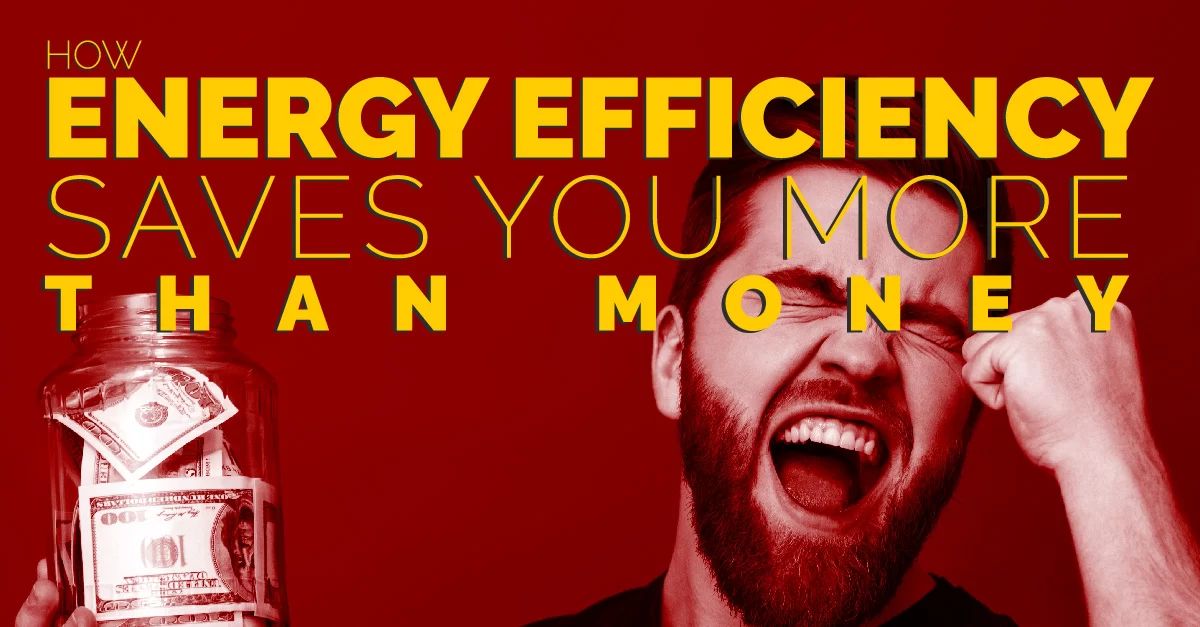
How Energy Efficiency Saves You More than Money
Energy‑efficient homes are increasingly attractive to buyers who consider long‑term operating costs. Upgrading to programmable thermostats, sealing drafts around windows and doors, and adding weatherstripping are inexpensive measures that improve a home’s energy rating.
These improvements not only lower utility bills but also provide tangible data for appraisers. Many buyers request a Home Energy Rating System (HERS) report; having one ready can accelerate negotiations and justify a higher asking price.
Smart Staging and Decluttering
Even after physical upgrades, presentation remains key. Professional staging isn’t always necessary; a thoughtful DIY approach can achieve similar results. Remove personal items, excess furniture, and any clutter that distracts from the home’s best features.
Arrange furniture to create clear traffic flow, and use neutral décor to allow buyers to envision their own belongings in the space. Adding a few strategically placed houseplants can bring life to rooms without adding significant cost.
For a deeper dive into selling tactics, see our Top 10 Proven Tips to Sell Your House Fast and for More Money. The article outlines complementary strategies that, when paired with the upgrades described here, maximize market appeal.
Cost‑Effective Upgrades with High ROI
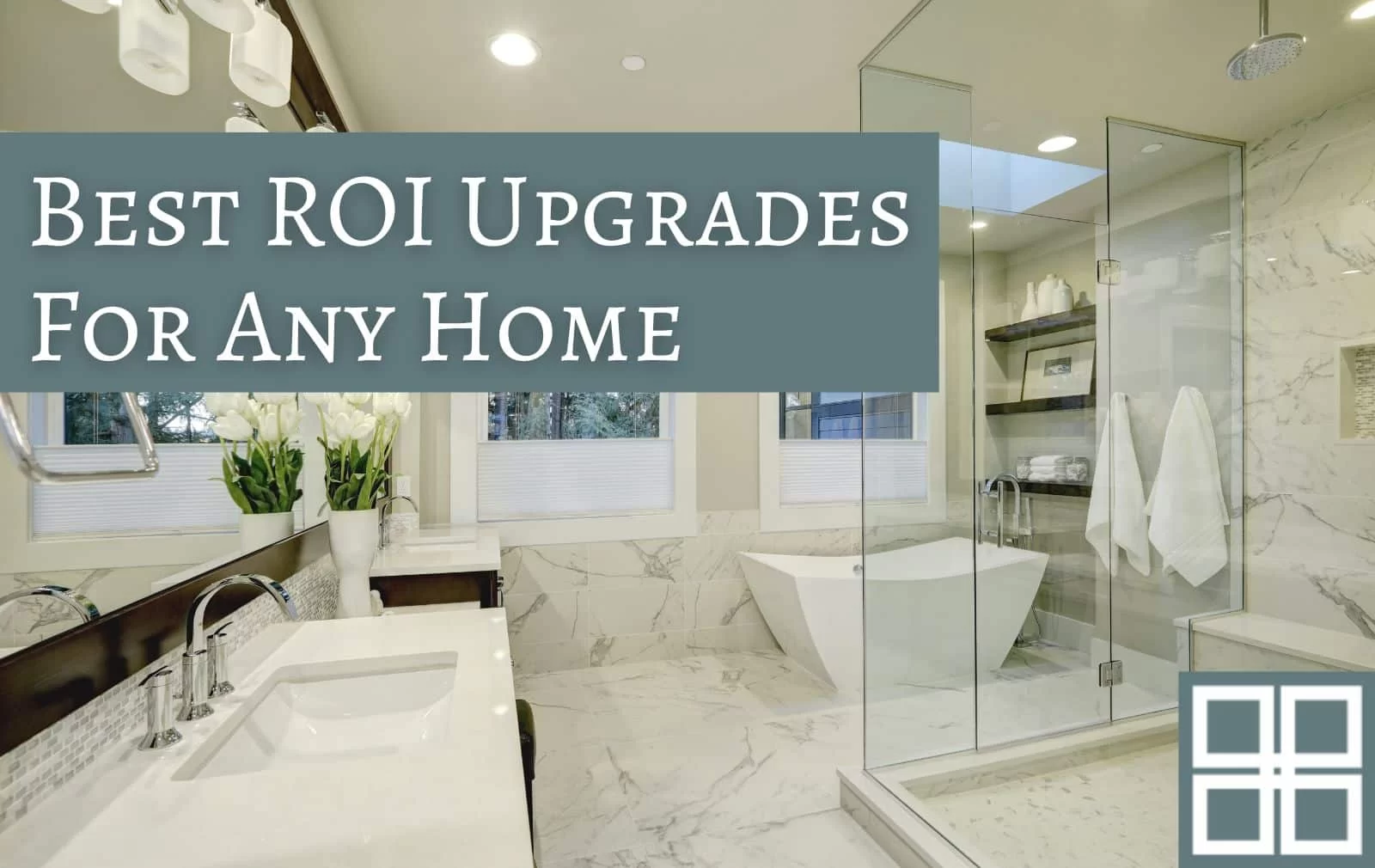
10 Home Upgrades That Give the Best ROI
Some improvements consistently deliver strong return on investment (ROI). Below is a concise list of upgrades that align with the principle of How to Increase Your Home Value Before Selling Without Breaking the Bank while offering measurable financial benefits.
- Kitchen cabinet refacing: A fresh veneer and new hardware can rejuvenate cabinets for 30‑40% of the cost of a full remodel.
- Bathroom fixtures: Replacing an old faucet, showerhead, and towel bars with modern chrome finishes typically recoups 70‑80% of the expense.
- Basement finishing: Adding a simple, well‑lit recreation area or a home office can increase usable square footage, a feature highly prized by families.
- Exterior window cleaning and caulking: Ensuring windows are spotless and properly sealed improves energy efficiency and visual appeal.
Remember, the goal is to achieve the greatest perceived value with the smallest outlay. Prioritize projects that address the most noticeable deficiencies first, then allocate remaining budget to cosmetic enhancements.
Financing Small‑Scale Renovations
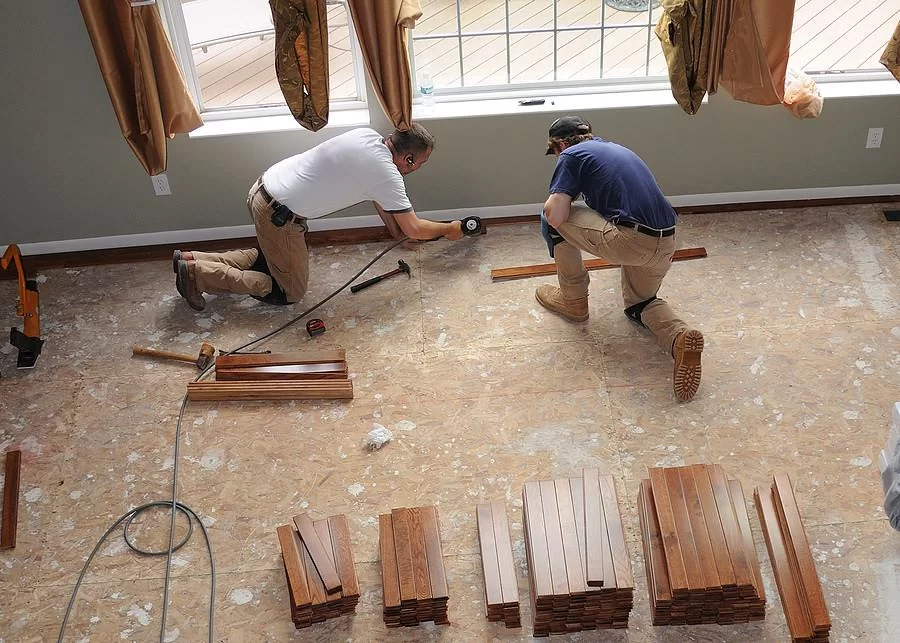
Financing Rental Property Renovations for the Highest ROI
If you find that the cumulative cost of your upgrades exceeds immediate cash reserves, consider a modest personal loan or a home‑equity line of credit. The interest rates for these products remain relatively low, especially when compared to the potential increase in sale price.
For guidance on borrowing options, you may find the article Come richiedere un prestito online: tempi, requisiti e vantaggi helpful. It outlines streamlined online loan processes that can fund your improvements without delaying your selling timeline.
In summary, mastering how to increase your home value before selling without breaking the bank hinges on strategic planning, selective upgrades, and savvy presentation. By tackling curb appeal, refreshing interiors, boosting energy efficiency, and staging effectively, you can create a compelling property that attracts offers above market average—all while keeping expenses in check.
When the closing day arrives, you’ll appreciate how these thoughtful, budget‑friendly enhancements not only elevated the sale price but also reduced the stress of extensive renovations. The result is a smoother transaction, a satisfied buyer, and a healthier return on the modest investment you made to prepare your home for the market.