Sustainable Living Room Design: Eco-Friendly Furniture and Decor Choices
Table of Contents
- Sustainable Living Room Design: Eco‑Friendly Furniture and Decor Choices
- Sustainable Living Room Design: Eco‑Friendly Furniture and Decor Choices – Material Matters
- Furniture Selection Strategies for a Greener Space
- Eco‑Friendly Decor: From Textiles to Accents
- Textiles and Soft Furnishings
- Lighting Solutions
- Greenery and Biophilic Elements
- Optimizing Layout for Efficiency and Flow
- Color Palettes and Finishes that Enhance Sustainability
- Maintenance Practices that Extend Longevity
- Economic Benefits of Sustainable Choices
- Future‑Ready Design: Adapting to Evolving Needs
Designing a living room that reflects personal taste while honoring the planet has become a central concern for modern homeowners. The desire for comfort, functionality, and aesthetic appeal must now be balanced with environmental responsibility. By thoughtfully selecting materials, sourcing responsibly, and employing design principles that reduce waste, it is possible to create a space that is both beautiful and sustainable.
In recent years, the interior design industry has witnessed a surge in innovative solutions that prioritize durability, recyclability, and low environmental impact. From reclaimed wood sofas to low‑VOC finishes, every element can contribute to a healthier home and a healthier planet. This article delves into the key considerations and actionable steps for achieving Sustainable Living Room Design: Eco‑Friendly Furniture and Decor Choices that stand the test of time.
Sustainable Living Room Design: Eco‑Friendly Furniture and Decor Choices
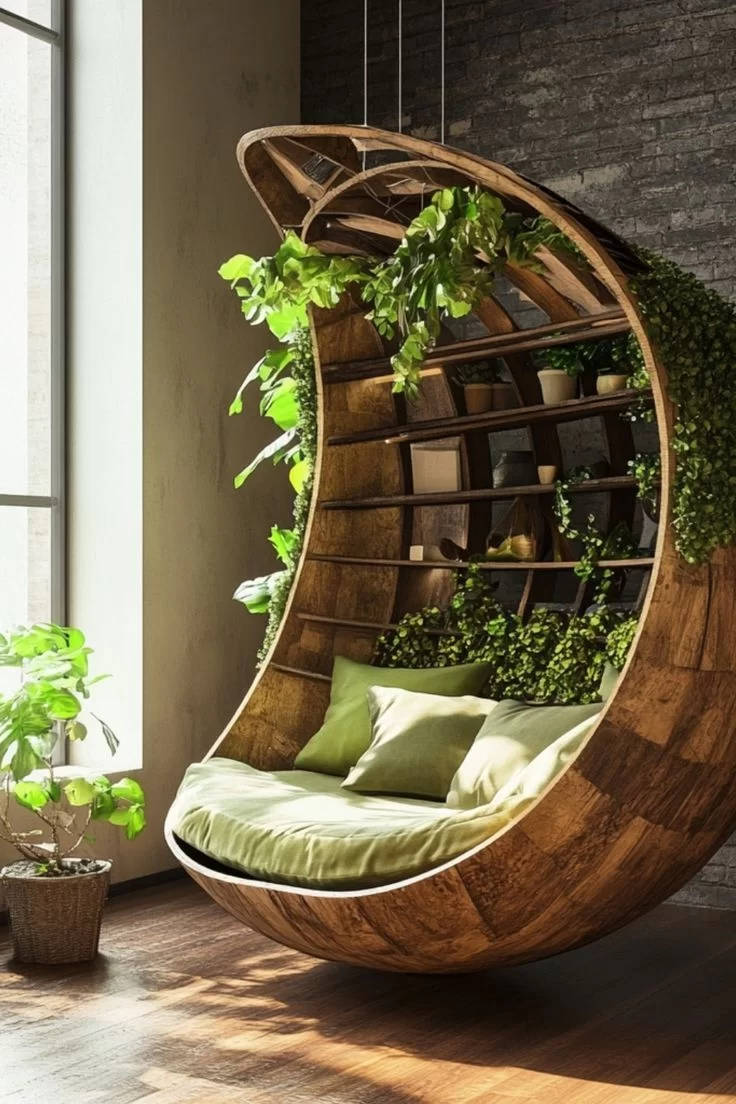
Sustainable Furniture and Decor Choices | Eco friendly bedroom decor
When embarking on a sustainable redesign, the first step is to evaluate the existing inventory. Repurposing or upcycling items you already own can dramatically cut down on the carbon footprint associated with manufacturing new pieces. If replacement is necessary, prioritize products that meet recognized environmental certifications such as FSC (Forest Stewardship Council) for wood, GOTS (Global Organic Textile Standard) for fabrics, and GREENGUARD for low emissions.
Sustainable Living Room Design: Eco‑Friendly Furniture and Decor Choices – Material Matters
Choosing the right materials is the cornerstone of any eco‑friendly approach. Below are some of the most responsible options currently available:
- Reclaimed and Recycled Wood: Salvaged timber not only adds character but also reduces demand for virgin lumber. Look for manufacturers who source wood from decommissioned structures or responsibly managed forests.
- Bamboo: As one of the fastest‑growing renewable resources, bamboo offers comparable strength to hardwood while sequestering carbon at a rapid rate.
- Organic Cotton and Hemp Textiles: These fabrics are grown without synthetic pesticides, require less water, and biodegrade more readily than conventional cotton.
- Recycled Metals and Glass: Re‑melting metal and glass reduces energy consumption dramatically compared to producing new material from raw ore.
- Low‑VOC Paints and Finishes: Volatile organic compounds contribute to indoor air pollution. Opt for water‑based, low‑VOC options to improve indoor air quality.
By integrating these materials, you set a solid foundation for a living room that is both stylish and conscientious.
Furniture Selection Strategies for a Greener Space

Greener Furniture for a Greener Future – IDN – International
Investing in high‑quality, timeless furniture reduces the need for frequent replacements, thereby conserving resources. When evaluating a piece, consider the following criteria:
- Durability: Choose solid construction, such as dovetail joints in wood furniture, which extends lifespan.
- Modularity: Modular sofas and shelving allow reconfiguration, adapting to changing needs without buying new items.
- Secondhand and Vintage Finds: Thrift stores, estate sales, and online marketplaces are treasure troves for unique, pre‑loved pieces.
For detailed guidance on selecting the ideal seating, refer to our Choosing the Perfect Sofa: A Buyer’s Guide to Style, Size, and Comfort. A well‑chosen sofa can serve as the centerpiece of your sustainable living room, especially when it’s crafted from responsibly sourced upholstery and a sturdy frame.
Eco‑Friendly Decor: From Textiles to Accents
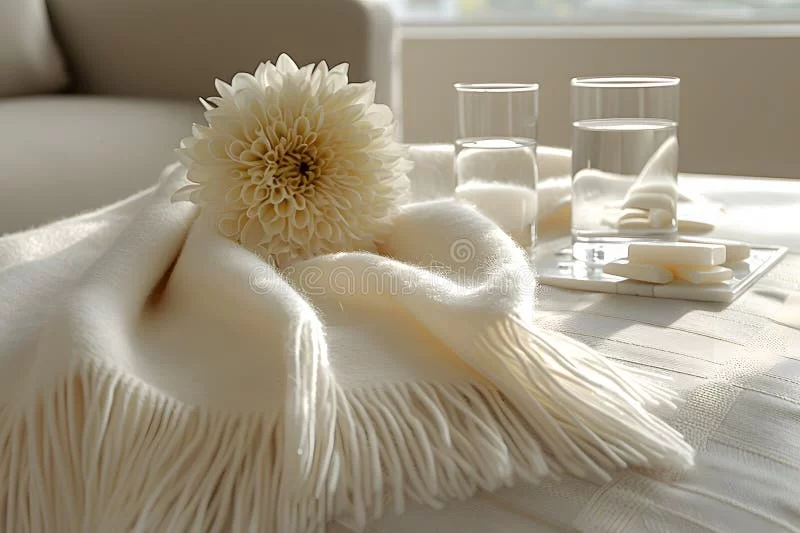
Cozy Minimalist Decor with Soft Textiles and Glass Accents for Modern
Decorative elements provide an opportunity to showcase personal style while adhering to sustainability principles. Below are practical ideas that align with Sustainable Living Room Design: Eco‑Friendly Furniture and Decor Choices:
Textiles and Soft Furnishings
Opt for cushions, throws, and rugs made from natural fibers such as linen, jute, or organic wool. These materials are biodegradable and often produced with minimal chemical processing. When possible, select items that are dyed using natural pigments.
Lighting Solutions
Energy‑efficient lighting not only reduces electricity consumption but also sets the mood. LED fixtures with dimmable controls allow for flexible ambiance while conserving power. For design inspiration, see our The Ultimate Guide to Living Room Lighting: Layering for Style and Function, which explores how to blend aesthetics with sustainability.
Greenery and Biophilic Elements
Incorporating indoor plants improves air quality and adds a natural texture to the room. Choose low‑maintenance varieties such as snake plant, pothos, or ZZ plant. Use planters made from reclaimed ceramics or biodegradable materials to keep the eco‑theme consistent.
Optimizing Layout for Efficiency and Flow

Strategies for Optimizing Flow Solutions and Enhancing System Efficiency
A well‑thought-out layout minimizes unnecessary furniture and maximizes usable space, reducing material waste. When arranging pieces, aim for a configuration that encourages natural traffic flow and creates distinct zones for activities like reading, conversation, or media consumption. For a step‑by‑step approach, consult our Living Room Layout Guide: How to Arrange Furniture for Better Flow, which outlines techniques for achieving both functionality and elegance.
Color Palettes and Finishes that Enhance Sustainability
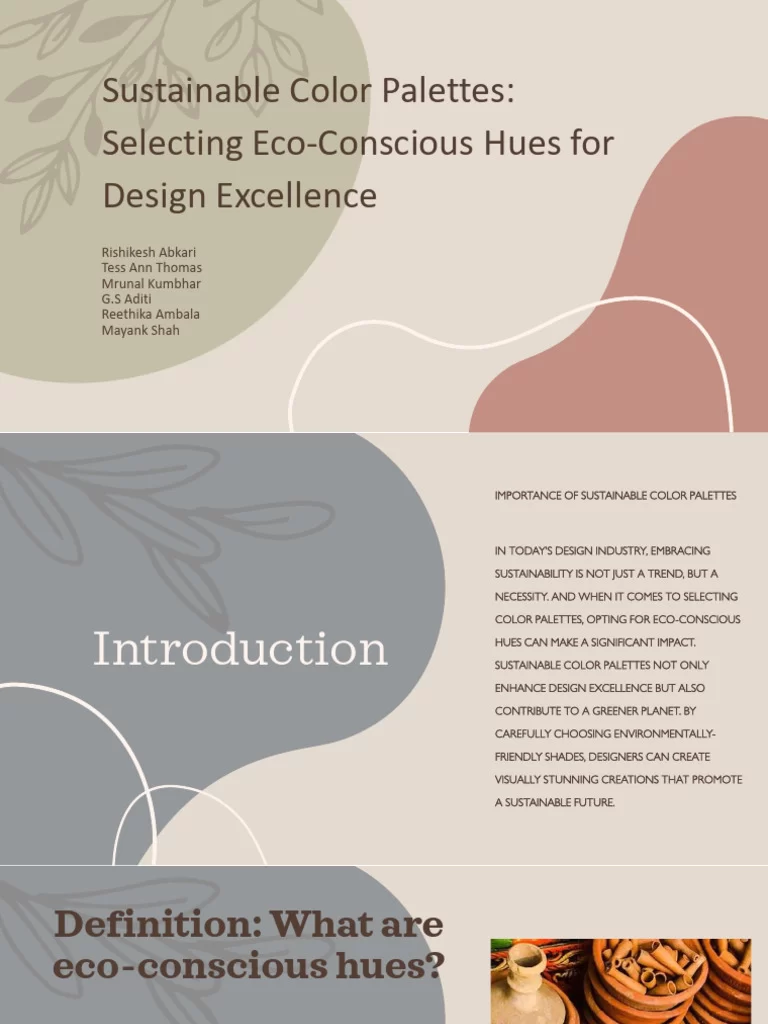
Sustainable Color Palettes | PDF
Choosing colors that reflect natural tones can reinforce the eco‑friendly narrative of the space. Earthy hues—soft greens, warm browns, and muted blues—evoke a sense of calm and connection to nature. Complement these palettes with matte or low‑gloss finishes, which typically contain fewer harmful chemicals than high‑gloss alternatives.
For additional inspiration on harmonious color schemes, explore our Living Room Color Schemes: The Most Relaxing Palettes According to Designers. Integrating soothing colors with sustainable furnishings creates a cohesive, inviting environment.
Maintenance Practices that Extend Longevity

Premium AI Image | Maintenance Practices for Longevity
Proper care is essential to preserve the integrity of eco‑friendly pieces. Follow manufacturer guidelines for cleaning natural fabrics—often a gentle vacuum or spot cleaning with mild soap suffices. Regularly tighten hardware on wooden furniture to prevent wobbling, and apply natural oils or beeswax to maintain finish without introducing harsh chemicals.
Implementing a routine maintenance schedule not only safeguards your investment but also reduces the likelihood of premature disposal, aligning with the broader goals of sustainable living.
Economic Benefits of Sustainable Choices

Sustainable Choices
While some sustainable products carry a higher upfront cost, they frequently deliver long‑term savings. Energy‑efficient lighting and durable furniture lower ongoing expenses related to electricity bills and replacement purchases. Moreover, many regions offer tax incentives or rebates for using certified green products, further offsetting initial outlays.
Future‑Ready Design: Adapting to Evolving Needs

Organizing Design in Schools: Adapting to the Evolving Needs of the 4IR
Designing with flexibility in mind ensures your living room remains relevant as lifestyles change. Modular furniture systems, interchangeable textile covers, and adaptable lighting controls allow you to modify the space without extensive waste. This forward‑thinking approach embodies the essence of Sustainable Living Room Design: Eco‑Friendly Furniture and Decor Choices, marrying durability with adaptability.
By integrating responsibly sourced materials, thoughtful layout strategies, and mindful maintenance, you can craft a living room that honors both aesthetic aspirations and ecological stewardship. The journey toward sustainability is ongoing, but each intentional decision builds a healthier home environment and contributes to a more resilient planet.