Living Room Color Schemes: The Most Relaxing Palettes According to Designers
Table of Contents
- Living Room Color Schemes: The Most Relaxing Palettes According to Designers
- 1. Soft Ocean Blues
- 2. Earthy Sage Greens
- 3. Warm Greige (Gray + Beige)
- 4. Muted Lavender & Mauve
- 5. Soft Charcoal with Warm Undertones
- Design Strategies to Maximize Relaxation
- Layered Neutrals for Visual Depth
- Strategic Use of Natural Light
- Incorporate Textural Contrast
- Balanced Accent Pieces
- Furniture Selection Aligned with Palette
- Practical Tips for Implementing Relaxing Palettes
- Step 1: Sample Before Committing
- Step 2: Choose One Dominant Color
- Step 3: Define Accent Zones
- Step 4: Integrate Textiles and Accessories
- Step 5: Evaluate Lighting
- Case Studies: Real‑World Applications
- Case Study 1: Coastal Retreat in a Suburban Home
- Case Study 2: Urban Minimalist Apartment
- Case Study 3: Eco‑Friendly Family Room
Creating a sanctuary within the home begins with the walls that surround you. The living room, as the central gathering space, sets the tone for relaxation, conversation, and everyday comfort. While furniture, lighting, and layout all play vital roles, color remains the most immediate and influential design element. When chosen wisely, a color scheme can transform a bustling area into a tranquil retreat, encouraging both visual rest and emotional ease.
Design professionals have spent years researching the psychological impact of hue, texture, and contrast. Their findings converge on a handful of palettes that consistently promote calmness without sacrificing style. In this article, we explore Living Room Color Schemes: The Most Relaxing Palettes According to Designers, offering actionable insights for homeowners who wish to infuse their spaces with serenity.
Whether your living room is a spacious open‑plan area or a compact nook, the right palette can make the space feel larger, more cohesive, and inherently soothing. Below, we break down the leading color families, the design principles that support them, and practical tips for integrating these hues into your everyday environment.
Living Room Color Schemes: The Most Relaxing Palettes According to Designers
15 Best Living Room Color Schemes Designers Swear By – Decorilla Online
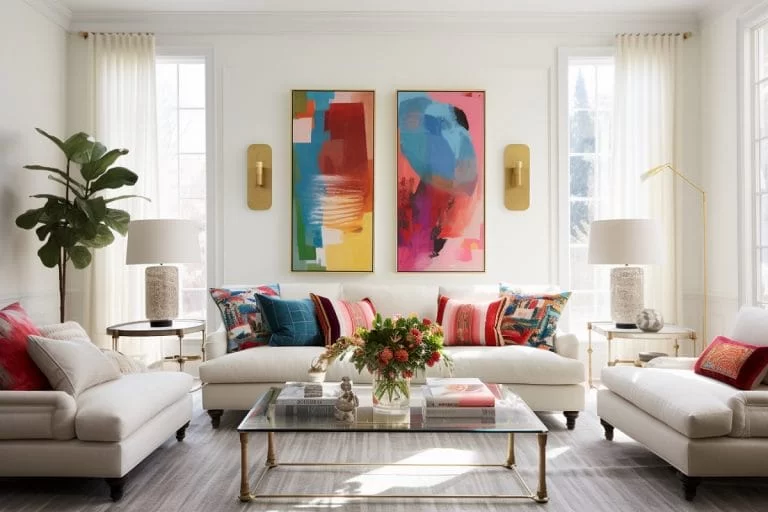
Designers agree that the most relaxing palettes are rooted in nature, muted tones, and balanced contrast. These schemes often draw from the natural world—soft blues reminiscent of a clear sky, gentle greens echoing forest canopies, and warm neutrals that mimic sand and stone. The following sections detail each palette, explain why it works, and suggest ways to apply it effectively.
1. Soft Ocean Blues
Oceanic blues evoke the calm of water, a universally soothing element. Light, desaturated blues reduce visual noise and encourage a sense of openness. Pairing them with crisp white trim or subtle gray accents enhances depth without overwhelming the eye.
- Primary hue: Powder blue or muted teal for walls.
- Accent colors: White or pale sand for trim, navy for upholstery.
- Texture tip: Introduce natural fibers such as linen or jute to reinforce the breezy vibe.
When employing soft ocean blues, consider integrating a minimalist living room design approach to keep the space uncluttered, allowing the color to breathe.
2. Earthy Sage Greens
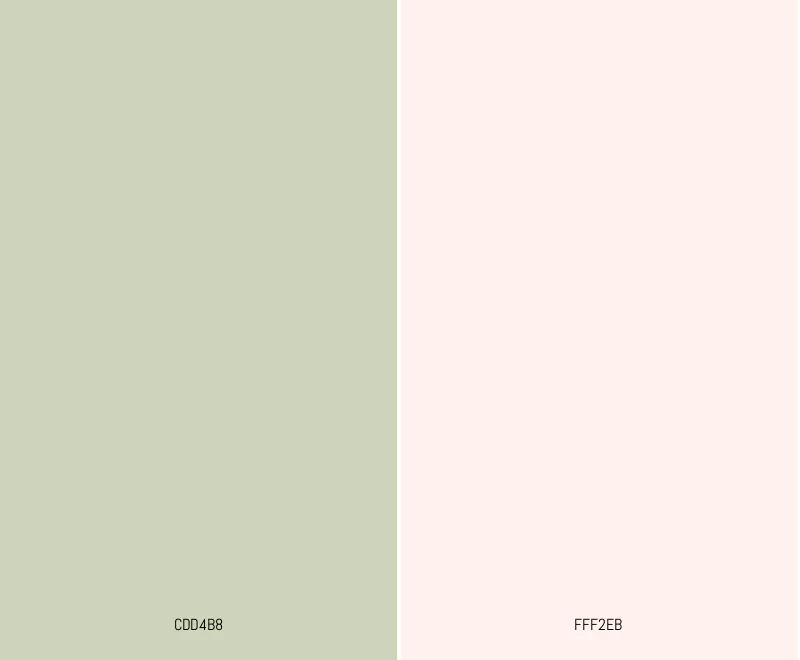
Sage green connects the interior to the outdoors, fostering a grounding effect. Its muted tone works well with both warm and cool accents, making it versatile for various décor styles. Designers often pair sage with natural wood finishes and matte black hardware for subtle contrast.
- Primary hue: Sage or olive‑mist on larger wall sections.
- Accent colors: Warm walnut, ivory, or soft terracotta.
- Texture tip: Use woven baskets and potted plants to reinforce the organic feel.
For smaller spaces, a sage backdrop can amplify the perception of size, especially when combined with reflective surfaces and strategic lighting.
3. Warm Greige (Gray + Beige)
Greige strikes a balance between cool sophistication and warm comfort. It acts as a neutral canvas that allows artwork, textiles, and furniture to shine without competing for attention. Because greige is inherently adaptable, designers recommend it for households that like to change décor trends frequently.
- Primary hue: Light greige for walls or ceiling.
- Accent colors: Charcoal, soft blush, or muted gold.
- Texture tip: Combine smooth leather sofas with plush wool throws for layered comfort.
A greige palette works exceptionally well in small living rooms, as its understated elegance prevents the space from feeling cramped.
4. Muted Lavender & Mauve
Soft lavender and mauve introduce a subtle hint of color while maintaining a calming atmosphere. These shades are particularly effective when paired with cool whites and gentle wood tones, producing a sophisticated yet soothing ambiance.
- Primary hue: Dusty lavender on an accent wall.
- Accent colors: Creamy white, light oak, or muted silver.
- Texture tip: Velvet cushions or silk curtains add a tactile richness without raising visual intensity.
Because lavender is a low‑energy color, it can be especially beneficial in living rooms that double as home offices or meditation spaces.
5. Soft Charcoal with Warm Undertones
While darker colors are often associated with drama, a soft charcoal with warm undertones can be surprisingly comforting when balanced with light accents. The depth adds a sense of intimacy, ideal for evening relaxation.
- Primary hue: Light charcoal or slate for a feature wall.
- Accent colors: Warm ivory, soft mustard, or muted copper.
- Texture tip: Incorporate natural wood coffee tables and matte metal lighting fixtures for contrast.
Pairing charcoal with strategic lighting—such as warm LED strips behind shelving—creates a cozy glow without sacrificing the room’s overall tranquility.
Design Strategies to Maximize Relaxation
Relaxation Strategies | PDF | Relaxation (Psychology) | Mindfulness
Choosing a palette is only the first step; the way colors interact with furniture, lighting, and accessories determines the ultimate calming effect. Below are essential strategies that designers employ to ensure the chosen palette translates into a truly restful living room.
Layered Neutrals for Visual Depth
Even within a single palette, variation in shade and texture prevents monotony. Use a lighter tone for ceilings, a mid‑tone for main walls, and a slightly darker shade for an accent wall. This subtle gradient adds depth while maintaining harmony.
Strategic Use of Natural Light
Natural daylight amplifies the soothing qualities of soft hues. Position seating near windows and select sheer curtains that diffuse light gently. When natural light is limited, opt for warm‑white LED bulbs that mimic sunrise tones.
Incorporate Textural Contrast
Texture influences perception as much as color. Pair smooth plaster walls with tactile textiles—think chunky knits, woven rugs, and soft upholstery. This contrast creates a multi‑sensory experience that enhances relaxation.
Balanced Accent Pieces
Accents should complement, not dominate, the primary palette. Choose artwork, throw pillows, or decorative objects that echo one or two secondary colors from the main scheme. This cohesive approach ensures visual continuity.
Furniture Selection Aligned with Palette
When selecting furniture, consider both form and finish. For instance, a sofa upholstered in a muted green works seamlessly with sage walls, while a wooden coffee table with a light finish reinforces the natural aesthetic. The best multipurpose furniture for compact living rooms often features clean lines and neutral upholstery, making it adaptable to any of the relaxing palettes discussed.
Practical Tips for Implementing Relaxing Palettes
Relaxing room – Pastel Color Palettes
Transforming theory into practice requires thoughtful planning. Below are step‑by‑step recommendations for homeowners eager to adopt Living Room Color Schemes: The Most Relaxing Palettes According to Designers in their own spaces.
Step 1: Sample Before Committing
Purchase small paint swatches and apply them to a sizable section of wall. Observe the colors at different times of day to assess how natural and artificial light affect the hue.
Step 2: Choose One Dominant Color
Identify the primary shade that will cover the majority of the walls. This decision sets the emotional tone and guides secondary color choices.
Step 3: Define Accent Zones
Designate specific areas—such as an accent wall, built‑in shelving, or a piece of furniture—to incorporate complementary shades. This method adds visual interest without breaking the calming flow.
Step 4: Integrate Textiles and Accessories
Introduce cushions, throws, and rugs in coordinating tones. Textiles are an inexpensive way to experiment with color depth and can be swapped seasonally.
Step 5: Evaluate Lighting
Adjust your lighting plan to highlight the palette’s strengths. Dimmer switches, floor lamps, and accent lighting can all be calibrated to reinforce the soothing ambiance.
Case Studies: Real‑World Applications

Real World Applications of AI Case Studies and Success Stories | PDF
To illustrate the transformative power of these palettes, we present three brief case studies that highlight distinct approaches taken by professional designers.
Case Study 1: Coastal Retreat in a Suburban Home
A family of four wanted a living room that felt airy yet cozy. The designer selected a soft ocean blue for the main walls, paired with crisp white crown molding and a navy velvet sofa. Natural light from large windows was enhanced with sheer linen curtains, creating a breezy, relaxed atmosphere. The result was a space that invited both lively family gatherings and quiet evenings.
Case Study 2: Urban Minimalist Apartment
In a compact downtown loft, space was at a premium. The designer opted for a warm greige palette, using the hue on walls and ceiling to unify the area. A light oak coffee table and matte black metal shelving provided contrast. The subdued colors made the 350‑square‑foot living room feel larger, while the minimalist décor kept visual clutter to a minimum, aligning perfectly with the minimalist living room design principles.
Case Study 3: Eco‑Friendly Family Room
A sustainability‑focused household desired a calming environment that reflected their love for nature. Sage green was chosen for the main walls, complemented by reclaimed wood furniture and abundant indoor plants. Warm terracotta accents appeared in the area rug and decorative ceramics. The combination of earthy tones and natural materials resulted in a space that felt both serene and environmentally conscious.
These examples demonstrate that, regardless of style preference or spatial constraints, the most relaxing palettes can be adapted to suit a wide range of design narratives.
In summary, the pursuit of tranquility within the living room hinges on intentional color selection, harmonious pairing, and thoughtful execution. By embracing the palettes outlined above—soft ocean blues, earthy sage greens, warm greige, muted lavender, and soft charcoal with warm undertones—homeowners can craft a space that not only looks refined but also nurtures the mind and body. Remember to test samples, balance light, and layer textures to maximize the calming effect. With these strategies, your living room can become the peaceful sanctuary you’ve always envisioned.